Is SEO Dead in 2026? What Actually Changed (and What to Do)
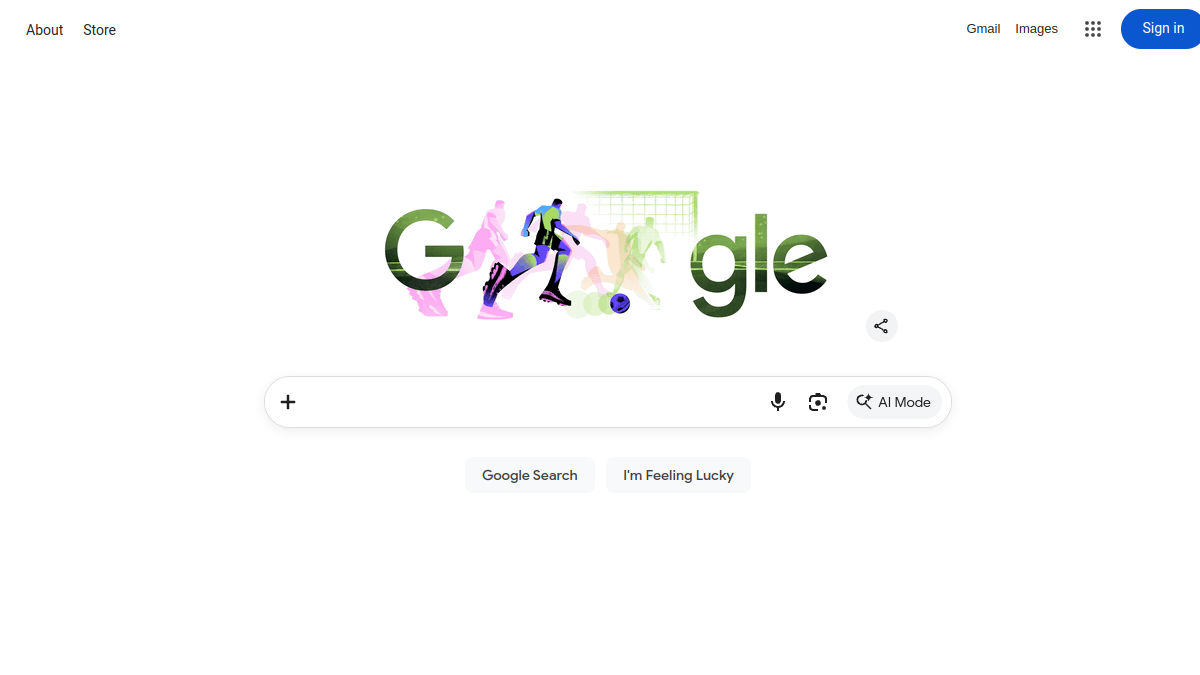
With AI Overviews answering questions right at the top of Google, and people asking ChatGPT instead of searching at all, "SEO is dead" is trending again. This time the argument feels more serious than the usual clickbait — the results page really is changing. So is it true? Is SEO actually dead in 2026?
Here's the honest, no-hype answer.
The short answer: no — but it transformed
SEO isn't dead. It has changed more in the last two years than in the previous ten. People still search for things billions of times a day; what's changed is how results are presented and where people search. The lazy, thin version of SEO is finished. The strategic, quality-first version is thriving — and in some ways it's more valuable than ever, because it now feeds AI answers as well as blue links.
Why people think SEO is dying
The fears aren't imaginary. Three real trends fuel them:
- AI Overviews and zero-click answers. Google increasingly answers simple questions directly on the results page, so users don't always click through. Purely informational "what is X" traffic has taken a hit.
- Search is fragmenting. People now "search" on ChatGPT, Perplexity, TikTok, YouTube, Reddit, and Amazon — not only Google. Google is still the giant, but it's no longer the only front door.
- More competition, more content. AI made it trivial to produce content, flooding the web and raising the bar to stand out.
What the data actually shows
Despite the doom, total search demand hasn't collapsed — it has grown. Google still handles an enormous and rising volume of searches, and clicks to websites still number in the many billions per day. What's shifting is the mix: simple, factual queries increasingly get answered on the page, while complex, commercial, and comparison queries still drive clicks — because a one-line AI answer can't fully satisfy someone deciding what to buy or which tool to use. The traffic didn't vanish; it redistributed toward higher-intent, harder-to-answer queries.
What genuinely changed in search
AI Overviews changed the top of the page
For many informational queries, an AI-generated summary now sits above the classic results. If your content only restates the basics, it loses; if it adds depth, data, or a point of view the summary can't capture — and gets cited in that summary — it wins.
Intent quality matters more than ever
Rankings for high-intent, commercial, and long-tail queries (like "best X alternatives" or "X vs Y") are more valuable than generic informational rankings. Those searchers want to do something, and they still click.
E-E-A-T and trust took center stage
Experience, expertise, authoritativeness, and trust are heavily weighted. First-hand experience, real authorship, and genuine authority increasingly separate winners from the AI-generated noise.
Helpful content beat keyword stuffing — for good
Google's helpful-content systems reward content made for people, not search engines. Thin pages built purely to rank for a keyword are exactly what's "dying" — and good riddance.
The death of lazy SEO
Let's be precise about what actually died. It's the shortcuts: keyword-stuffed articles, spun content, doorway pages, buying junk links, and publishing 50 thin posts to "target" 50 keywords. AI Overviews and helpful-content updates have made those tactics worthless. If your definition of SEO was gaming the algorithm, then yes — that SEO is dead. If your definition was helping people find genuinely useful information, business has never been better.
What still works in 2026
- Depth over fluff. Original, genuinely helpful content that answers a question better and more completely than anyone else.
- High-intent and long-tail targeting. Commercial and specific queries where the searcher wants to act, not just learn a definition.
- Topical authority. Covering a subject thoroughly across many pages so you become the recognized source in your niche.
- Brand and trust. Being a known, credible source helps you rank and get cited by AI.
- Technical fundamentals. Fast, crawlable, well-structured sites still win — and now clean structure also helps AI parse and quote you.
- Backlinks and citations. Still a core trust signal; we covered this in are backlinks still relevant in 2026?
The rise of 'search everywhere' and GEO
SEO is quietly expanding into "search everywhere optimization." Your audience now discovers answers across Google, AI chatbots, YouTube, Reddit, and social platforms — so visibility means showing up where they actually look. A related idea, GEO (generative engine optimization), focuses on getting your content cited by AI answer engines. The good news: the fundamentals overlap almost entirely with good SEO. Be authoritative, be clearly structured, be genuinely useful, and you'll be favored by both Google and the AI models.
How to optimize for AI answers
- Answer questions directly and early. Lead with a concise answer, then expand — this makes you easy to quote.
- Use clear structure. Descriptive headings, short paragraphs, lists, and FAQ sections help both readers and AI extract your points.
- Add what AI can't generate. Original data, first-hand experience, specific examples, and a real point of view.
- Build entity and brand recognition so models associate your name with the topic.
Content types that thrive in 2026
Some formats hold up especially well because they resist being fully replaced by a one-line answer:
- Comparisons and "alternatives" pages — specific, commercial, and nuanced.
- Original research and data — the kind of thing AI and competitors cite.
- Opinion and analysis — a genuine perspective a summary can't manufacture.
- Tools and interactive resources — utility that keeps people on your site.
- Deep, experience-based guides — first-hand knowledge that demonstrates real expertise.
What to stop doing
- Publishing thin content aimed only at a keyword.
- Chasing high-volume informational terms that AI now answers on the page.
- Mass-producing AI content with no added value or editing.
- Buying links and using manipulative tactics.
Is SEO still worth investing in?
For most businesses, yes — arguably more than ever, because the barrier to entry (real quality and authority) now filters out lazy competitors. Organic search remains one of the highest-ROI channels: it compounds over time, doesn't charge per click, and now feeds AI visibility too. The businesses winning in 2026 aren't the ones doing "more SEO" — they're the ones doing genuinely better content, aimed at real intent, structured for both humans and machines.
Frequently asked questions
Will AI replace Google search?
Not entirely, and not soon. AI is changing how some searches happen and taking share for certain query types, but Google still dominates and is itself becoming an AI-powered search engine. The smart move is to be visible across both traditional and AI search.
Do AI Overviews kill my traffic?
They reduce clicks on simple informational queries, but high-intent and commercial queries still drive clicks. Focusing on those queries — and on being the source AI cites — protects and grows your traffic.
Is keyword research still useful in 2026?
Yes, but with a shift toward understanding intent and topics rather than chasing exact-match volume. You're mapping what your audience wants to accomplish, not just which words they type.
How long does SEO take to work now?
Still months, not days — SEO is a compounding, long-term channel. The difference in 2026 is that quality and authority are prerequisites, so shortcuts that once produced quick (temporary) wins no longer work.
The bottom line
SEO isn't dead in 2026 — the lazy version of it is. Thin content built to game a keyword is finished. Useful, authoritative, intent-focused content that serves both readers and AI is thriving, and it now earns you visibility in two places at once: traditional rankings and AI answers. Adapt to that reality, and search remains one of the best, most durable traffic channels on the internet.