Cockatoo vs Paperform: Which Is Better in 2026?
A side-by-side comparison of Cockatoo and Paperform, two no-code tools — what each does, who it's best for, and how to choose between them.
Quick verdict
Cockatoo and Paperform are both no-code tools, so it comes down to fit. Pick Cockatoo if you want A free website for your small business. Pick Paperform if you want An easy, design-forward online form builder for collecting data, payments and bookings with AI.
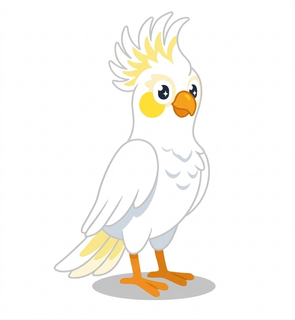
Cockatoo
A free website for your small business.
- Category
- No-Code
- Rating
- Not yet rated
- Best for
- website builder, no code, small business
Paperform
An easy, design-forward online form builder for collecting data, payments and bookings with AI.
- Category
- No-Code
- Rating
- Not yet rated
- Best for
- form builder, surveys, payments
| At a glance | Cockatoo | Paperform |
|---|---|---|
| What it is | A free website for your small business. | An easy, design-forward online form builder for collecting data, payments and bookings with AI. |
| Category | No-Code | No-Code |
| Type | Software | Software |
| Best for | website builder, no code, small business, Australia | form builder, surveys, payments, automation |
What is Cockatoo?
Cockatoo is a website builder for Australian sole traders and small businesses that need a straightforward way to get online. Owners can create a mobile-friendly business website without writing code or starting from an empty design canvas. The editor begins with an industry template and ready-made sections that can be personalised with the business’s own services, photos and contact details.
The free plan is free forever for one page. It includes hosting, HTTPS and a Cockatoo web address, so a business can publish its first page without arranging separate hosting. A credit card is not required to start. The free website also includes a contact form and an enquiry inbox, giving visitors a way to contact the business and owners a place to receive those enquiries.
The sections-first approach is designed around practical business information. Instead of building every element from scratch, an owner chooses an industry template, edits the ready-made content and adds the details that visitors need. The resulting page can introduce the business, explain its services and provide contact information in a mobile-friendly layout.
Cockatoo also offers an optional Pro plan at A$29 per year. Pro lets an owner connect an existing custom domain and remove Cockatoo branding. Domain registration and renewal are separate costs; the annual Pro price does not include buying or renewing a domain. Owners who are comfortable using a Cockatoo web address can continue with the free one-page plan.
For developers and compatible assistants, Cockatoo publishes documentation for its API and remote MCP connection. These interfaces work with structured site documents rather than unrestricted page code. Authenticated site operations require the owner’s consent, and publishing requires a verified owner. Enquiries, billing and domains remain outside agent grants.
Cockatoo brings the template, editing experience, hosted page and enquiry tools together for small businesses that want a simple online presence. Its pricing separates the permanently free one-page website from the optional domain and branding upgrade.
What problem it solves
Helps Australian sole traders and small businesses create a mobile-friendly website without coding, design experience or separate hosting setup. Ready-made sections reduce the work of starting from a blank page.
What is Paperform?
Paperform is a no-code form and workflow builder that turns data collection into something that actually looks good and does real work. More than 500,000 people use it to build forms, surveys, booking pages and payment flows — without writing code and without the generic, boxy look most form tools leave you with.
What Paperform actually does
At its heart Paperform is a form builder, but it stretches well past that. You can take payments, run bookings, add calculations and scoring, gate content with conditional logic, and route submissions automatically — so a single Paperform can be an order form, a quote calculator, a registration page or a client intake, all in one. Everything is built in a document-style editor that feels closer to writing than to dragging boxes around.
Who reaches for it
Paperform fits small and mid-sized businesses, agencies, marketing teams, eCommerce sellers, schools and professional-services firms — essentially anyone who collects information or payments online and wants it to look like part of their brand rather than a bolted-on Google Form.
Features worth knowing
- AI-assisted form generation from a text description
- 30,000+ templates and a document-style, deeply customizable editor
- Built-in payments: subscriptions, deposits and product sales
- Booking and scheduling management
- Calculations, scoring and conditional logic
- Custom domains, branding and white-label options
- AI Insights that summarize responses and surface trends
- 2,000+ integrations (Google Sheets, HubSpot, Notion, Airtable, Zapier, Make)
Design that converts
Where many form tools stop at "functional," Paperform leans hard into looking beautiful and on-brand — custom fonts, colors, layouts, backgrounds and even video. That's not just vanity: its one-question-at-a-time "Guided Mode" is credited in a case study with lifting conversion by 91% versus a standard multi-field layout. When a form feels considered rather than clunky, more people finish it.
One tool instead of five
Because Paperform bundles payments, bookings, calculations and automation, it quietly replaces a stack of separate subscriptions. A small business can sell a product, book a consultation and collect a deposit through the same form, then push the data to its CRM or spreadsheet automatically — consolidation that saves both money and the headache of stitching tools together.
A small ecosystem around it
Paperform has grown into a little suite. Papersign handles eSignatures and contract generation, and Stepper adds AI-native, multi-step workflow automation — so the same company can send a form, get a contract signed, and automate what happens next without leaving the ecosystem. Agency+ features add multi-brand management for teams running many clients.
Trust and support
Paperform is SOC 2 Type II certified and GDPR compliant, with SSO, granular access controls and data-residency options for teams with stricter requirements. It also backs users with a real human support team rather than just a chatbot — a small but meaningful difference when a payment form breaks and you need an answer fast.
Start free, scale as you grow
Paperform uses a freemium model, so you can build and publish a form on the free plan with no credit card and only pay as your submission volume grows. That low barrier makes it easy to test whether the design and conversion gains are real for your use case before committing — and because the paid tiers scale with usage, a small business isn't forced onto an enterprise plan just to unlock the features that make its forms look and work well.
Is Paperform right for you?
If you want forms that look genuinely good, do real work (payments, bookings, logic), and connect to the rest of your tools, Paperform is one of the strongest options around. Its blend of beautiful design, deep functionality, 2,000+ integrations and honest human support makes it a practical all-in-one for collecting data and getting paid — without code and without the generic form-tool look.
Key differences at a glance
- Purpose: Cockatoo is A free website for your small business. Paperform, by contrast, is An easy, design-forward online form builder for collecting data, payments and bookings with AI.
- Category & type: both sit in No-Code, and both are offered as software.
- Best suited for: Cockatoo leans toward website builder, no code, small business, whereas Paperform leans toward form builder, surveys, payments.
- Community rating: Cockatoo is not yet rated vs Paperform is not yet rated. Ratings are community-submitted and change over time.
Cockatoo vs Paperform: which should you choose?
Cockatoo and Paperform both serve the no-code space, so the best choice depends on your priorities. Choose Cockatoo if you want A free website for your small business. Choose Paperform if you want An easy, design-forward online form builder for collecting data, payments and bookings with AI.The smartest move is to try each one's free tier or trial on a real task — that's the fastest way to feel the difference and pick the tool you'll actually stick with.
Frequently asked questions
Is Cockatoo better than Paperform?
It depends on what you need. Cockatoo is A free website for your small business. Paperform is An easy, design-forward online form builder for collecting data, payments and bookings with AI. Both are no-code tools, so the right pick comes down to your specific priorities, budget and workflow.
What's the main difference between Cockatoo and Paperform?
Cockatoo focuses on A free website for your small business. while Paperform focuses on An easy, design-forward online form builder for collecting data, payments and bookings with AI. Read the full breakdown above and check each tool's site for current features and pricing.
Can I use both Cockatoo and Paperform?
In many cases, yes — teams often use complementary tools together. Whether it makes sense depends on overlap in functionality and your budget. Try the free tier or trial of each to see how they fit your stack before committing.
Which is cheaper, Cockatoo or Paperform?
Pricing changes often, so check each tool's pricing page for the latest. Many tools offer a free tier or trial, which is the best way to evaluate value for your specific usage before you pay.