Cockatoo vs ToolJet: Which Is Better in 2026?
A side-by-side comparison of Cockatoo and ToolJet, two no-code tools — what each does, who it's best for, and how to choose between them.
Quick verdict
Cockatoo and ToolJet are both no-code tools, so it comes down to fit. Pick Cockatoo if you want A free website for your small business. Pick ToolJet if you want An open-source low-code framework for building and deploying internal tools with many data connectors.
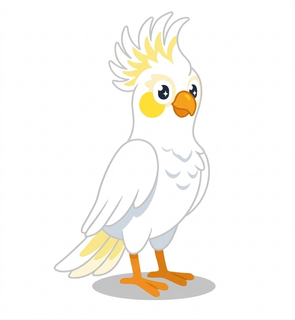
Cockatoo
A free website for your small business.
- Category
- No-Code
- Rating
- Not yet rated
- Best for
- website builder, no code, small business

ToolJet
An open-source low-code framework for building and deploying internal tools with many data connectors.
- Category
- No-Code
- Rating
- Not yet rated
- Best for
- internal tools, low-code, open source
| At a glance | Cockatoo | ToolJet |
|---|---|---|
| What it is | A free website for your small business. | An open-source low-code framework for building and deploying internal tools with many data connectors. |
| Category | No-Code | No-Code |
| Type | Software | Software |
| Best for | website builder, no code, small business, Australia | internal tools, low-code, open source, dashboards |
What is Cockatoo?
Cockatoo is a website builder for Australian sole traders and small businesses that need a straightforward way to get online. Owners can create a mobile-friendly business website without writing code or starting from an empty design canvas. The editor begins with an industry template and ready-made sections that can be personalised with the business’s own services, photos and contact details.
The free plan is free forever for one page. It includes hosting, HTTPS and a Cockatoo web address, so a business can publish its first page without arranging separate hosting. A credit card is not required to start. The free website also includes a contact form and an enquiry inbox, giving visitors a way to contact the business and owners a place to receive those enquiries.
The sections-first approach is designed around practical business information. Instead of building every element from scratch, an owner chooses an industry template, edits the ready-made content and adds the details that visitors need. The resulting page can introduce the business, explain its services and provide contact information in a mobile-friendly layout.
Cockatoo also offers an optional Pro plan at A$29 per year. Pro lets an owner connect an existing custom domain and remove Cockatoo branding. Domain registration and renewal are separate costs; the annual Pro price does not include buying or renewing a domain. Owners who are comfortable using a Cockatoo web address can continue with the free one-page plan.
For developers and compatible assistants, Cockatoo publishes documentation for its API and remote MCP connection. These interfaces work with structured site documents rather than unrestricted page code. Authenticated site operations require the owner’s consent, and publishing requires a verified owner. Enquiries, billing and domains remain outside agent grants.
Cockatoo brings the template, editing experience, hosted page and enquiry tools together for small businesses that want a simple online presence. Its pricing separates the permanently free one-page website from the optional domain and branding upgrade.
What problem it solves
Helps Australian sole traders and small businesses create a mobile-friendly website without coding, design experience or separate hosting setup. Ready-made sections reduce the work of starting from a blank page.
What is ToolJet?
ToolJet is an open-source, low-code framework for building and deploying internal tools, dashboards and business applications, with broad support for connecting to the data sources and services teams already use. Like other tools in this space, it tackles the common pain of needing custom internal software — admin panels, operational dashboards, support tools — without spending excessive engineering time building them from scratch, by providing a visual builder and rich connectivity that let teams ship internal apps fast.
ToolJet's strength is its flexibility and breadth of integrations. It connects to a wide range of databases (Postgres, MySQL, MongoDB and more), APIs, and popular SaaS tools, so you can build tools on top of whatever data and services your business relies on. You assemble interfaces visually from a library of components, add queries and logic to connect them to your data, and can incorporate custom code where needed for more advanced behavior. This combination of visual speed and developer flexibility makes it suitable for everything from simple CRUD apps to more sophisticated internal tools.
As an open-source platform, ToolJet can be self-hosted for control over data, security and cost, with a cloud option available too, and it benefits from community contributions and transparency. It's used by engineering and operations teams that need to build internal software efficiently and want an ownable, flexible alternative to proprietary platforms. As organizations increasingly require custom internal tools and seek to build them quickly without large development investments, open-source low-code frameworks have become a go-to solution. For developers and teams that want to build and deploy internal tools rapidly, with extensive data connectivity and the freedom of open source, ToolJet offers a capable, well-rounded and widely-adopted platform.
Key differences at a glance
- Purpose: Cockatoo is A free website for your small business. ToolJet, by contrast, is An open-source low-code framework for building and deploying internal tools with many data connectors.
- Category & type: both sit in No-Code, and both are offered as software.
- Best suited for: Cockatoo leans toward website builder, no code, small business, whereas ToolJet leans toward internal tools, low-code, open source.
- Community rating: Cockatoo is not yet rated vs ToolJet is not yet rated. Ratings are community-submitted and change over time.
Cockatoo vs ToolJet: which should you choose?
Cockatoo and ToolJet both serve the no-code space, so the best choice depends on your priorities. Choose Cockatoo if you want A free website for your small business. Choose ToolJet if you want An open-source low-code framework for building and deploying internal tools with many data connectors.The smartest move is to try each one's free tier or trial on a real task — that's the fastest way to feel the difference and pick the tool you'll actually stick with.
Frequently asked questions
Is Cockatoo better than ToolJet?
It depends on what you need. Cockatoo is A free website for your small business. ToolJet is An open-source low-code framework for building and deploying internal tools with many data connectors. Both are no-code tools, so the right pick comes down to your specific priorities, budget and workflow.
What's the main difference between Cockatoo and ToolJet?
Cockatoo focuses on A free website for your small business. while ToolJet focuses on An open-source low-code framework for building and deploying internal tools with many data connectors. Read the full breakdown above and check each tool's site for current features and pricing.
Can I use both Cockatoo and ToolJet?
In many cases, yes — teams often use complementary tools together. Whether it makes sense depends on overlap in functionality and your budget. Try the free tier or trial of each to see how they fit your stack before committing.
Which is cheaper, Cockatoo or ToolJet?
Pricing changes often, so check each tool's pricing page for the latest. Many tools offer a free tier or trial, which is the best way to evaluate value for your specific usage before you pay.