Paddle vs Valebound: Which Is Better in 2026?
A side-by-side comparison of Paddle and Valebound, two finance tools — what each does, who it's best for, and how to choose between them.
Quick verdict
Paddle and Valebound are both finance tools, so it comes down to fit. Pick Paddle if you want A merchant-of-record payments and billing platform for SaaS that handles checkout, subscriptions, and global tax. Pick Valebound if you want Printable budget and savings pages, plus a free 52-week chart

Paddle
A merchant-of-record payments and billing platform for SaaS that handles checkout, subscriptions, and global tax.
- Category
- Finance
- Rating
- Not yet rated
- Best for
- payments, merchant of record, SaaS billing
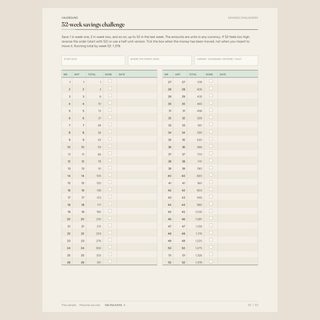
Valebound
Printable budget and savings pages, plus a free 52-week chart
- Category
- Finance
- Rating
- Not yet rated
| At a glance | Paddle | Valebound |
|---|---|---|
| What it is | A merchant-of-record payments and billing platform for SaaS that handles checkout, subscriptions, and global tax. | Printable budget and savings pages, plus a free 52-week chart |
| Category | Finance | Finance |
| Type | Software | Software |
| Best for | payments, merchant of record, SaaS billing, subscriptions | — |
What is Paddle?
Paddle is a payments and billing platform built for software and SaaS companies that acts as a merchant of record, handling checkout, subscriptions, sales tax, and compliance so businesses can sell globally without the operational burden. Selling software internationally involves payment processing, fraud prevention, subscription management, invoicing, and a maze of tax obligations across countries — a lot for any company, and overwhelming for smaller ones. Paddle consolidates all of this into a single platform and takes on the role of seller of record, dramatically simplifying the business side of selling software.
As a complete billing solution, Paddle handles the entire payment lifecycle: a checkout that converts across regions and currencies, subscription and recurring billing management, invoicing, dunning for failed payments, refunds, and detailed revenue analytics. Because it's the merchant of record, Paddle is legally responsible for collecting and remitting sales tax and VAT worldwide, removing one of the biggest headaches of international software sales. It also provides fraud protection and the infrastructure to manage pricing, plans, and the financial operations behind a SaaS business, all through one integration rather than many.
Paddle is used by SaaS companies and software businesses — from growing startups to established firms — that want to outsource the complexity of payments, billing, and tax compliance. The value is focus and simplicity: instead of building and maintaining billing infrastructure and worrying about global tax law, companies get a single platform that handles it all and lets them concentrate on their product and customers. By taking on merchant-of-record responsibilities, Paddle gives software businesses the ability to sell worldwide with confidence and compliance. For SaaS teams that want billing and tax handled end to end, Paddle is a trusted, comprehensive solution.
What is Valebound?
Valebound is a small set of undated printable pages I made for budgeting, sinking funds, and debt payoff.
The free part is a 3-page 52-week savings chart you can start on any week, not just week one. The weekly amounts and running totals are already filled in, and the amounts work in any currency. The pages are US Letter, and A4 printers can use fit-to-page. The free chart is here, with no email gate: https://valebound.itch.io/free-52-week-savings-chart
There's also a longer 18-page Reserve Kit, a monthly budget planner, and a bundle of both, all on the shop page: https://topmate.io/valebound
This is my own work. The chart is genuinely free.
Key differences at a glance
- Purpose: Paddle is A merchant-of-record payments and billing platform for SaaS that handles checkout, subscriptions, and global tax. Valebound, by contrast, is Printable budget and savings pages, plus a free 52-week chart
- Category & type: both sit in Finance, and both are offered as software.
- Best suited for: Paddle leans toward payments, merchant of record, SaaS billing, whereas Valebound leans toward a broad audience.
- Community rating: Paddle is not yet rated vs Valebound is not yet rated. Ratings are community-submitted and change over time.
Paddle vs Valebound: which should you choose?
Paddle and Valebound both serve the finance space, so the best choice depends on your priorities. Choose Paddle if you want A merchant-of-record payments and billing platform for SaaS that handles checkout, subscriptions, and global tax. Choose Valebound if you want Printable budget and savings pages, plus a free 52-week chartThe smartest move is to try each one's free tier or trial on a real task — that's the fastest way to feel the difference and pick the tool you'll actually stick with.
Frequently asked questions
Is Paddle better than Valebound?
It depends on what you need. Paddle is A merchant-of-record payments and billing platform for SaaS that handles checkout, subscriptions, and global tax. Valebound is Printable budget and savings pages, plus a free 52-week chart Both are finance tools, so the right pick comes down to your specific priorities, budget and workflow.
What's the main difference between Paddle and Valebound?
Paddle focuses on A merchant-of-record payments and billing platform for SaaS that handles checkout, subscriptions, and global tax. while Valebound focuses on Printable budget and savings pages, plus a free 52-week chart Read the full breakdown above and check each tool's site for current features and pricing.
Can I use both Paddle and Valebound?
In many cases, yes — teams often use complementary tools together. Whether it makes sense depends on overlap in functionality and your budget. Try the free tier or trial of each to see how they fit your stack before committing.
Which is cheaper, Paddle or Valebound?
Pricing changes often, so check each tool's pricing page for the latest. Many tools offer a free tier or trial, which is the best way to evaluate value for your specific usage before you pay.