Best Software for Bridal Makeup Artists in 2026
Bridal makeup is a completely different animal from your regular chair work, and any artist who's done a few weddings knows it. One booking can be worth ten normal appointments. It comes with a trial months in advance, a bridal party of anywhere from two to twelve people, a travel fee, a razor-tight morning timeline, and a client who is, understandably, more emotionally invested than any other client you'll ever have. There is zero room to be disorganised. If you lose the deposit conversation, forget the trial, or show up without a clear timeline, it isn't a bad review — it's someone's wedding day.
That's why bridal artists can't run on the same casual DM-and-diary setup that might just about work for everyday makeup. Weddings demand contracts, deposits, clear timelines, and a way to keep every member of a bridal party straight. The good news: the right software turns all of that logistical stress into a smooth, professional experience that makes brides trust you before you've even lifted a brush — and that trust is what earns you the booking and the referrals.
This guide covers the software that fits how bridal makeup actually works, and how to choose the right setup whether you're doing a handful of weddings a year or building a full bridal team.
Why bridal makeup needs different software
Think about everything wrapped up in a single wedding booking:
- An enquiry that comes in 6-18 months before the date.
- A trial appointment weeks or months ahead.
- A contract spelling out the date, location, party size, travel and cancellation terms.
- A deposit to lock the date — because you're turning away other work to hold it.
- A bridal party of multiple people, each maybe wanting a different look, each needing a time slot.
- A morning-of timeline that has to slot into hair, photography and 'leave for the church by 11.'
- A travel fee and sometimes early-start surcharges.
- A final balance due before or on the day.
A basic booking app that just drops one name into one time slot cannot handle this. You need tools that manage contracts, deposits, multi-person parties and timelines — or at minimum a booking tool paired with a lightweight contract-and-invoice tool. Get this stack right and you look like the seasoned professional every bride is desperate to find.
What to look for in bridal makeup software
1. Contracts and e-signatures
A wedding without a signed contract is a risk you should never take. You want to send a clear agreement — date, location, party size, price, travel, deposit, cancellation policy — and get it signed digitally. This protects you if a bride cancels, cuts the party size, or disputes the total months later. Some tools build this in; otherwise you pair a booking tool with a dedicated contract/proposal tool.
2. Deposits and staged payments
You need a non-refundable retainer to hold the date, and ideally the ability to take the balance later. Because a wedding books out a prime Saturday you can't resell easily, the deposit isn't optional — it's how you get paid for the risk of holding that date. Look for tools that take a deposit at booking and can invoice the remainder closer to the day.
3. Trial management
The trial is its own appointment, often at a different time and price, and it needs its own booking, reminder and notes (which products, which look, what the bride loved or hated). Good software links the trial to the wedding so all the notes live together.
4. Handling the whole bridal party
You're not booking one person; you're booking a group with a schedule. The best setups let you record everyone in the party, assign services and times, and build a morning timeline. Even if the software just lets you attach a party list and a timeline document to the booking, that's a huge step up from mental maths at 6am.
5. Travel fees and custom pricing
Bridal pricing is bespoke — base price, per-person party rates, travel, early-start surcharge. Your tool needs flexible pricing or custom quotes rather than a rigid fixed-price menu.
6. A professional client experience
Brides are comparing you to other artists. A polished flow — enquiry, quote, contract, deposit, trial, reminders — signals that you'll be just as organised on the day. That professionalism wins bookings and, crucially, generates the referrals and reviews that fill next year's calendar.
The best software for bridal makeup artists
Bridal artists usually land on one of two setups: an all-in-one beauty platform for booking and payments, or a booking tool paired with a client-management/contract app that handles the wedding-specific admin. Here are the strongest options in both camps.
HoneyBook — best for contracts, proposals and payments
HoneyBook isn't beauty-specific — it's a client-management platform built for wedding and creative professionals (photographers, planners, and yes, makeup artists), and that's exactly why bridal MUAs love it. It handles the parts that generic booking apps don't: branded proposals, contracts with e-signatures, invoices, staged payments and automated follow-ups, all tied to each wedding project. If the wedding admin — the contracts, the deposits, the 'has she signed yet?' — is your biggest headache, HoneyBook is purpose-built to solve it. Pair it with a simple scheduler for your everyday appointments.
Dubsado — the customisation powerhouse for wedding pros
Dubsado is HoneyBook's main rival and the pick for artists who want to fine-tune every step. Its forms, contracts, workflows and automated email sequences are deeply customisable, so you can build a bridal booking process that runs almost on autopilot — enquiry form triggers a quote, quote acceptance triggers a contract, signed contract triggers a deposit invoice, and so on. There's more of a learning curve than HoneyBook, but for a busy bridal artist who wants a system that scales, Dubsado is powerful. It also has a genuinely useful free tier to trial it.
GlossGenius — best all-in-one for the beauty side
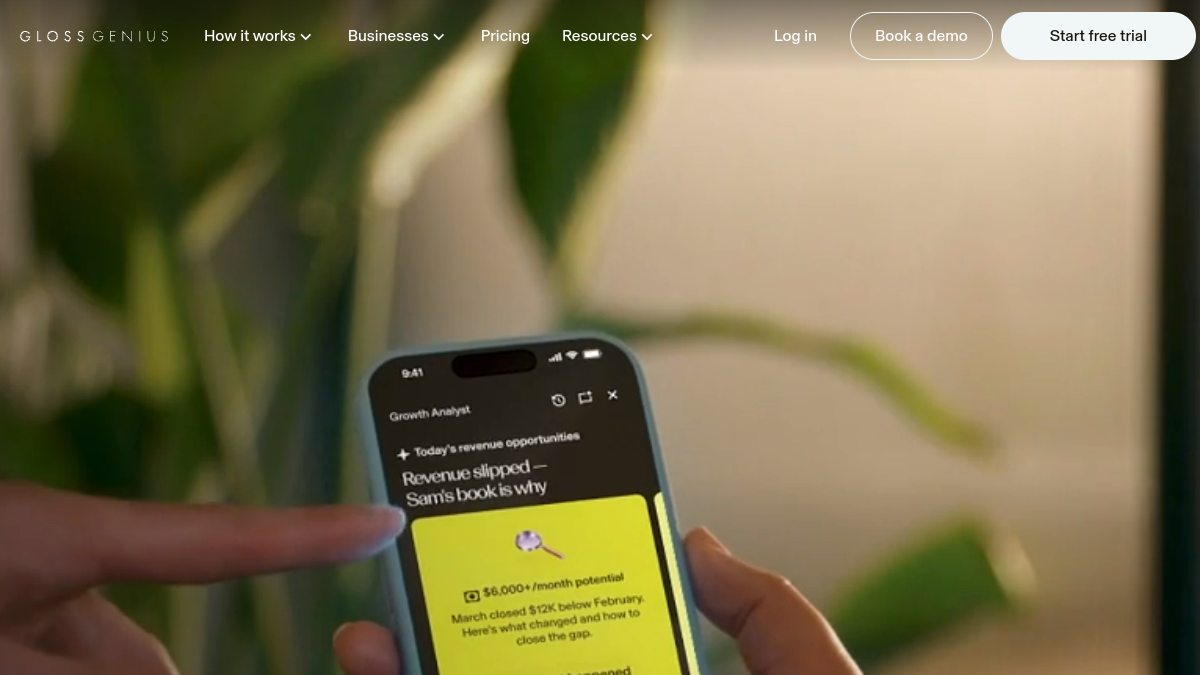
If you want one beautiful app that handles your regular makeup bookings and can take deposits, store client notes and process payments for bridal, GlossGenius is a lovely option. It won't replace a dedicated contract tool for complex weddings, but for artists whose bridal work is a healthy slice (rather than the entirety) of their business, GlossGenius keeps everything — everyday clients and brides — in one polished place, with forms and deposits included.
Acuity Scheduling — best for trials, custom intake and your website
Acuity is the flexible scheduler that pairs beautifully with a contract tool. Its custom intake forms are ideal for capturing wedding details (date, venue, party size, timeline preferences), it takes deposits, automates reminders for both trial and wedding, and embeds into your own website. Many bridal artists run Acuity for scheduling and intake alongside HoneyBook or Dubsado for contracts and payments — a combination that covers everything.
Vagaro — best when you run a bridal team
Once you're sending out teams of artists to cover big wedding parties, you need staff scheduling, and Vagaro handles multi-artist calendars, payroll, inventory and packages with ease. It's a mature salon-and-spa platform, so it's built for coordinating several people rather than one solo artist. If your bridal business has grown into a small agency, Vagaro gives you the operational backbone.
Square Appointments — the simple, free starting point
Starting out and only doing the occasional wedding? Square Appointments (free for one person) gets you online booking, deposits, reminders and payments with zero monthly cost, and you can handle the contract side with a simple e-signature tool or even a PDF for now. It's the no-risk way to look professional while you build up your bridal portfolio, then graduate to a dedicated stack as weddings become a bigger part of your income.
How to choose the right setup for you
Match the stack to how central weddings are to your business:
- Weddings are your main thing and admin is your pain: HoneyBook or Dubsado for contracts/deposits/workflows, paired with Acuity or Square for scheduling.
- Bridal is one part of a broader beauty business: GlossGenius as your all-in-one, adding a simple contract tool for bigger weddings.
- Just starting, occasional weddings: Square Appointments plus a basic e-signature — free and professional enough to begin.
- You run a team of artists: Vagaro for multi-staff coordination.
The one thing every bridal artist must have, whatever the stack: signed contracts and deposits. Everything else is convenience. Those two are protection.
Getting your bridal system set up
Build it in the order a wedding actually unfolds. Start with an enquiry form that captures the essentials — date, venue, party size, getting-ready location and start time. Next, create a quote or package template so you can respond to enquiries fast (brides often book the first professional who replies clearly). Then build your contract template with all your terms locked in. Set up a deposit request that goes out the moment they say yes. Create a trial appointment type separate from the wedding. Finally, build a morning-of timeline template you can duplicate and customise per wedding. Once these templates exist, every new wedding is a matter of duplicating and tweaking rather than starting from scratch — which is how you take on more weddings without drowning in admin.
Common mistakes bridal makeup artists make
No signed contract. The cardinal sin. Verbal agreements and DM confirmations fall apart under pressure. A signed contract is your only real protection when a bride cancels a Saturday you turned other work away for.
Skipping or under-charging the deposit. Holding a peak wedding date has real opportunity cost. A non-refundable retainer compensates you for that risk. Too many artists take a tiny deposit — or none — and get burned.
No morning-of timeline. Winging the schedule with a full bridal party and a hard 'leave by 11' deadline is how you end up doing the bride's lashes in the car. Build the timeline in advance and share it.
Forgetting to record trial notes. The whole point of the trial is that the wedding-day look is dialled in. If you don't record the products and choices, you're re-inventing it on the most important morning of her life.
Vague travel and party pricing. If your quote doesn't spell out travel fees, early-start surcharges and per-person party rates, you'll either eat the cost or have an awkward money conversation on the day. Put it in the contract.
Do you need a website for bridal work?
For bridal, a website helps more than for almost any other beauty niche. Brides research obsessively, and a professional site with your bridal portfolio, testimonials, an FAQ (do you travel? party minimums? trials included?) and an enquiry form builds enormous trust and helps you rank for searches like 'bridal makeup artist [your city].' You don't need anything elaborate — a clean portfolio page with a clear enquiry form and your process explained. Tools like Acuity embed booking and intake directly, and platforms like HoneyBook can host lead-capture forms you link from your site. If bridal is a serious part of your income, a website earns its keep quickly through the enquiries it captures while you sleep.
Turning weddings into a referral engine
Here's the beautiful thing about bridal work: every wedding is a room full of future clients. The bridesmaids, the mother of the bride, the guests who ask 'who did your makeup?' — a single flawless, well-organised wedding can seed years of bookings. Software helps you capitalise on it in two ways. First, the professionalism itself (smooth contracts, clear timelines, calm mornings) is what earns the enthusiastic referrals in the first place. Second, follow-up features let you request reviews and testimonials while the glow is fresh, and stay in touch with a bride who might book you again for her sister's wedding or her own anniversary shoot. The artists who build thriving bridal businesses treat every wedding not as a one-off payday but as the top of a referral funnel — and their software is what keeps that funnel from leaking.
Frequently asked questions
What is the best software for bridal makeup contracts and deposits?
HoneyBook and Dubsado are the two standouts for wedding-specific admin — branded proposals, e-signature contracts, staged payments and automated workflows built for wedding professionals. HoneyBook is the easier to learn; Dubsado is more customisable and has a free tier. Pair either with a scheduler like Acuity or Square for the actual appointment booking.
Can I manage a whole bridal party in one booking?
Dedicated wedding tools like HoneyBook and Dubsado let you attach a full party list, services and a timeline to one wedding project, and Vagaro handles multi-artist teams if you're covering large parties with staff. Even a flexible scheduler like Acuity lets you attach a party list and timeline document to the booking, which is far better than tracking it in your head on the morning.
Do I really need contracts for wedding makeup?
Yes — unequivocally. A signed contract protecting the date, price, party size, travel and cancellation terms is the single most important safeguard in bridal work, because you're holding a prime date and turning away other bookings. If a bride cancels or changes the scope, the contract is your only real recourse. Never book a wedding on a verbal or DM agreement.
What about my everyday makeup clients — do I need two systems?
Not necessarily. GlossGenius can handle both everyday bookings and lighter bridal work (deposits, notes, payments) in one app. But if weddings are central to your income, most artists run a scheduler (Acuity, Square or GlossGenius) for day-to-day and add a contract/payment tool (HoneyBook or Dubsado) for the wedding admin. The two-tool setup is common and worth it once bridal is a real revenue stream.
How do I stop brides from cancelling last minute and leaving me with an empty Saturday?
A signed contract with a clear cancellation policy plus a non-refundable deposit is your protection. The deposit compensates you for holding the date, and the contract makes the terms enforceable. Every tool recommended here supports both. This combination is exactly why running proper software beats casual DM bookings for high-value wedding work.
The bottom line
A wedding booking is high-value, high-stakes and high-logistics — and it deserves software that respects all three. The right setup takes a deposit and a signed contract to protect the date, manages the trial and its notes, keeps the whole bridal party and the morning timeline straight, and handles travel and custom pricing without awkward conversations. Whether you run HoneyBook or Dubsado for the wedding admin, GlossGenius as a beauty all-in-one, Acuity for scheduling and intake, Vagaro for a team, or Square as a free start, the non-negotiables are the same: contracts and deposits. Nail the logistics and you don't just survive wedding season — you turn every flawless, calm, well-run wedding into a room full of future clients, and that is how a bridal makeup business quietly compounds year after year.