No-Code vs Code in 2026: Which Should You Actually Use?
The no-code vs code debate used to be tribal and boring: builders insisting you don't need to code, engineers insisting real software requires it. In 2026 the debate got genuinely interesting, because two things happened at once. No-code platforms matured into serious tools that run real businesses, and AI learned to write code well enough that the line between "coding" and "describing what you want" blurred. So the honest question isn't "which is better" — it's "which is right for this specific project, this specific team, this specific stage?" Here's how to actually decide.
What no-code became
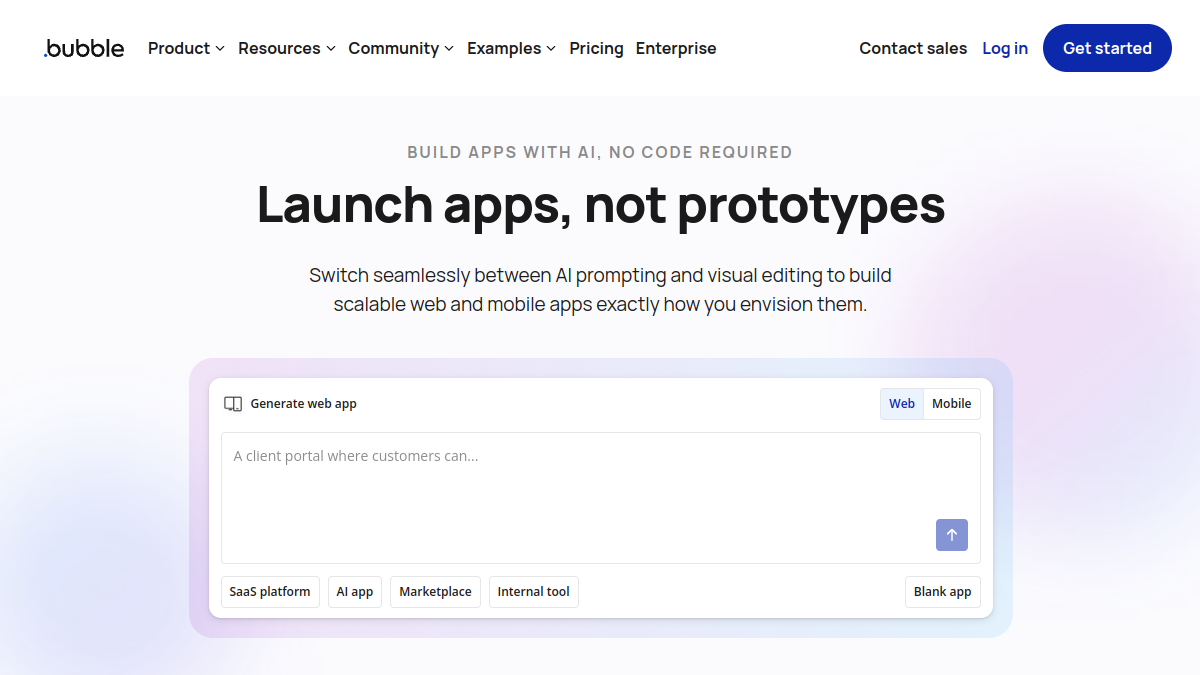
No-code in 2026 is not the toy it was a decade ago. Mature platforms now run real e-commerce stores, internal tools, marketplaces, automations connecting dozens of services, and full web apps with databases, user auth, and payments. Non-technical founders launch businesses on them; technical teams use them to ship internal tools in hours instead of sprints. The category earned its place. The pitch is compelling and real: build dramatically faster, without hiring developers, and change things yourself without a deployment pipeline.
But the maturity came with honesty about limits. Every no-code platform is a set of opinions and constraints. You can build fast within the platform's model and you hit a wall outside it. When you need something the platform didn't anticipate — a specific integration, an unusual data model, custom logic, fine-grained performance tuning — you're either stuck or forced into awkward workarounds. And you're building on someone else's infrastructure, with their pricing, their uptime, and their roadmap. That's the trade you're making, and it's a reasonable trade for many projects and a fatal one for others.
What code still does best
Traditional code wins exactly where no-code's constraints bite. Total flexibility: if you can imagine it, you can build it, with no platform telling you what's impossible. Performance and scale: when you need to optimise for millions of users or milliseconds of latency, you need control no abstraction gives you. Ownership and portability: your code is yours, runs where you choose, and isn't hostage to a platform's pricing change or shutdown. Complex, differentiated logic: if the hard, custom part is your product — the thing competitors can't copy — that almost always needs real code. The cost is obvious: it's slower, it needs developers, and developers are expensive and scarce.
The AI factor that changed the math
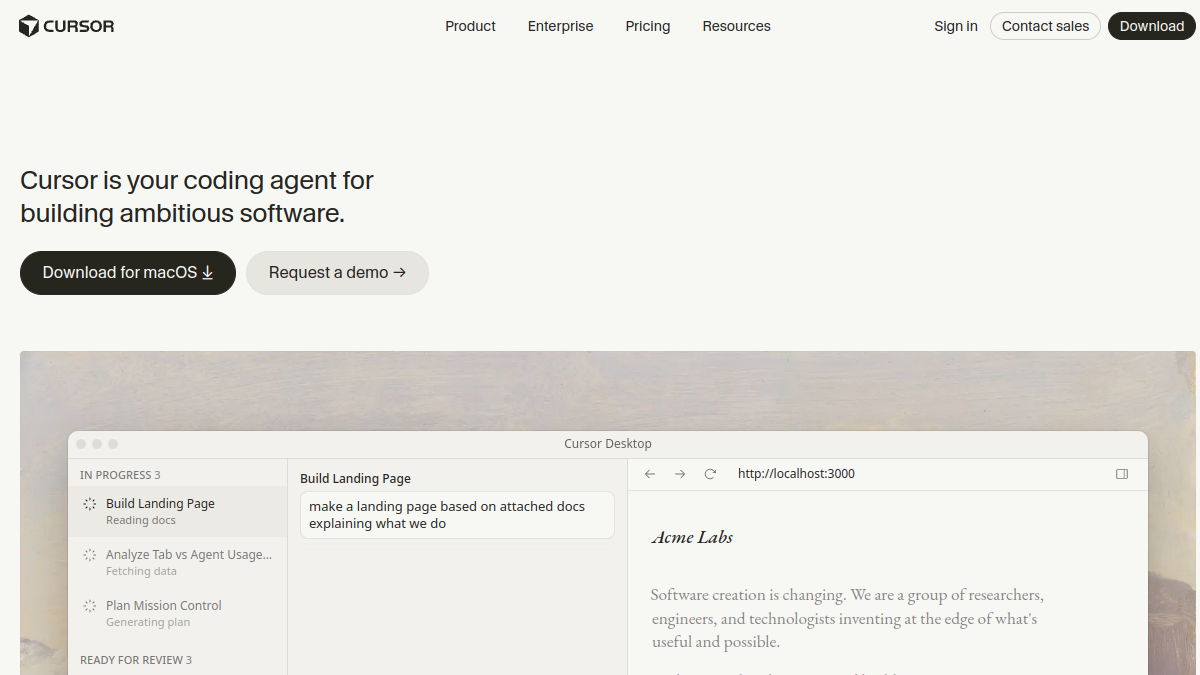
Here's what makes 2026 different from every previous version of this debate: AI sits in the middle and shifts the whole calculation. AI coding assistants and agents made writing real code dramatically faster and more accessible. A solo founder with AI help can now build things that used to require a small engineering team. This erodes one of no-code's biggest advantages — "you don't need a developer" — because AI made being a developer (or at least directing one) far more attainable. Why accept a platform's constraints to avoid coding, the argument goes, when AI removes much of coding's difficulty?
But it cuts both ways. AI also supercharges no-code: many platforms now let you generate apps, automations, and components from a prompt, making the fast path even faster. And the AI-written-code path has its own catch we've covered before — AI writes code that looks right and is sometimes subtly wrong, so you still need the judgment to review it. AI didn't end the debate; it raised the ceiling on both sides and made the choice more about your specific situation than ever.
How to actually choose
Forget tribalism and ask practical questions. What are you building? A standard CRUD app, internal tool, simple marketplace, or automation? No-code is probably faster and perfectly sufficient. Something with novel, complex, performance-critical, or deeply custom logic? Lean toward code. Who's building it? A non-technical founder who needs to ship now should absolutely start with no-code (or AI-assisted no-code) rather than spending a year learning to program. A team with engineers should weigh whether the no-code speed-up is worth the constraints. What stage are you at? This is the big one — and it points toward a hybrid answer.
The hybrid reality most winners land on
The smartest teams in 2026 mostly refuse to pick a side. They use no-code and automation for what it's great at — internal tools, marketing sites, workflow automation, rapid validation, the unglamorous operational plumbing — and they write real code for their core, differentiated product where flexibility and ownership matter. The decision isn't ideological; it's allocated tool by tool. A startup might validate an idea on no-code in a weekend, run its internal ops on no-code indefinitely, and rebuild only the core engine in code once it's proven and needs to scale. That sequencing — validate cheap, then invest where it counts — is closer to a universal best practice than either pure camp's dogma.
The "start no-code, migrate later" path deserves a caveat, though. Migration is real work, and a no-code prototype rarely converts cleanly into a production codebase — you usually rebuild. That's often fine: the no-code version did its job by validating the idea for a fraction of the cost and time, and you rebuild from a position of knowledge rather than guesswork. Just go in with eyes open. Treat the no-code version as a fast, cheap way to learn what to build, not as the foundation you'll extend forever, and the migration feels like a planned graduation rather than a painful surprise.
The cost question nobody likes
One under-discussed factor: long-run cost can flip. No-code looks cheaper because there's no developer salary, but platform fees scale with usage and can become substantial at volume, and you're exposed to pricing changes you don't control. Code costs more upfront in developer time but the running costs can be lower and more predictable, and you own the asset. For a small or early project, no-code is almost always cheaper all-in. For a large, high-volume, long-lived product, the economics often tilt back toward owned code. Factor the whole lifecycle, not just the cost of getting to launch — the cheapest path to v1 is sometimes the most expensive path to year three.
Three real scenarios, three different answers
Abstract advice is easy to nod along to and hard to apply, so consider three concrete situations. Scenario one: a non-technical founder with a marketplace idea. The right move is almost certainly no-code (or AI-assisted no-code). Spending a year learning to program, or burning the budget hiring developers to build an unvalidated idea, is the classic way to die before you start. Build it on a no-code platform, get real users, learn what the product actually needs to be — then decide whether to invest in custom code. The constraint isn't your enemy here; it's what forces you to ship.
Scenario two: a funded startup whose product is a novel algorithm. Here the core — the differentiated, hard, valuable part — needs real code, full stop. No platform will let you build something genuinely novel that's also your competitive moat. But that same startup should still run its internal tools, marketing site, and operational automations on no-code, because wasting expensive engineering time on a CRUD admin panel is a mistake. Code the moat, no-code everything else. Scenario three: a small business automating operations. Pure no-code and automation, almost always. Connecting their existing tools, automating the admin, building internal dashboards — none of this needs custom software, and no-code does it faster and cheaper than any developer could. The lesson across all three: the answer isn't about you being "technical" or not; it's about matching the method to what you're building and why.
The skills that matter in a hybrid world
If the future is hybrid and AI-accelerated, what should you actually get good at? Less "learn to code from scratch" or "swear off code forever," and more a set of durable skills that apply across methods. Problem decomposition — breaking a fuzzy goal into clear, buildable pieces — matters whether you're configuring a no-code app, prompting an AI, or briefing a developer. Systems thinking — understanding how data and logic flow through your tools — keeps you from building a fragile mess in any medium. Tool literacy — knowing the landscape well enough to pick the right tool for each job — is arguably the highest-leverage skill of all in 2026, because the cost of choosing wrong is high and the options are endless.
And a newer one: directing and reviewing AI. Whether AI is generating your no-code app or writing your custom code, the skill of specifying clearly and verifying critically is what separates good output from confident garbage. The person who thrives isn't the one with the deepest coding knowledge or the strongest anti-code conviction — it's the one who understands their problem, knows the tools, and can wield AI to build with whichever method fits. That's a more pragmatic and more valuable skill set than picking a tribe, and it travels well as the tools keep changing underneath you.
The lock-in question to ask before you commit
One factor deserves more weight than founders usually give it: lock-in. Every no-code platform, by design, ties you to its way of doing things, its pricing, and its continued existence. That's an acceptable trade for many projects — but you should make it consciously, not by accident. Before you build something important on a platform, ask three questions. Can I get my data out? If the answer is "not easily," every month you build there raises the cost of ever leaving. What happens if their pricing changes or they shut down? Platforms get acquired, pivot, and disappear; your business shouldn't die with them. How hard would it be to rebuild this elsewhere? If the answer is "trivial," lock-in barely matters; if it's "catastrophic," you're taking on real risk for the convenience.
None of this means avoid no-code — it means match the lock-in risk to the importance of what you're building. Run your marketing site or an internal tool on a closed platform and the lock-in is trivial: if it ever becomes a problem, you rebuild a small thing. Run your core, revenue-critical product on one and you've handed a third party a great deal of power over your business's future. The pragmatic rule: the more central and valuable a system is, the more you should weigh ownership and portability — which is exactly why so many teams land on no-code for the periphery and owned code for the core. Decide with the trade-off in front of you, and you won't be ambushed by it later.
Frequently asked questions
Is no-code good enough for a real business in 2026? Yes — mature no-code platforms run real e-commerce, marketplaces, internal tools and apps. The limits show up with unusual requirements, heavy scale, or deeply custom logic, where code's flexibility wins.
Did AI make no-code obsolete? No. AI made coding more accessible and made no-code faster. It raised the ceiling on both and turned the choice into a project-by-project decision rather than an all-or-nothing one.
Should I start with no-code and migrate to code later? Often yes — validate cheaply on no-code, then rebuild the core in code once it's proven and needs to scale. Just expect a rebuild rather than a clean conversion, and treat the no-code version as fast learning.
Which is cheaper, no-code or code? No-code is almost always cheaper for small and early projects; owned code often wins on long-run cost at high volume. Evaluate the whole lifecycle, not just the cost to reach launch.
The bottom line
No-code vs code in 2026 is the wrong framing. The right one is: use no-code where speed and simplicity win, use code where flexibility, scale, and ownership matter, and let AI accelerate whichever path you're on. Validate cheap, invest where it counts, and refuse the tribalism — the teams shipping the most aren't loyal to a method, they're loyal to picking the right tool for each job. Choose by your project, your team, and your stage, and you'll beat both the purists and the evangelists.
Comparing no-code platforms, dev tools, or AI builders for your next project? Tolodora lists and compares them with honest, structured breakdowns — find the right one without the marketing noise.