SuperPlane Chinese Self-Hosting Guide (Third-Party) vs SwiftSend: Which Is Better in 2026?
A side-by-side comparison of SuperPlane Chinese Self-Hosting Guide (Third-Party) and SwiftSend — what each does, who it's best for, and how to choose between them.
Quick verdict
SuperPlane Chinese Self-Hosting Guide (Third-Party) is a dev tools tool and SwiftSend is a cloud & hosting tool — they're built for different jobs, so start with the problem you're solving. Pick SuperPlane Chinese Self-Hosting Guide (Third-Party) if you want Independent Chinese notes for single-VM Docker install, public HTTPS, and GitHub wiring — a paid digital… Pick SwiftSend if you want Send large files quickly and securely with SwiftSend. Enjoy smooth file transfer, strong protection, and a…
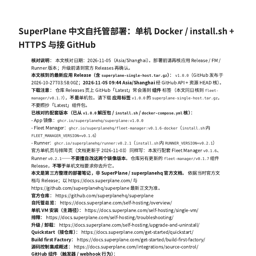
SuperPlane Chinese Self-Hosting Guide (Third-Party)
Independent Chinese notes for single-VM Docker install, public HTTPS, and GitHub wiring — a paid digital guide, not the SuperPlane product itself.
- Category
- Dev Tools
- Rating
- Not yet rated
- Best for
- self-hosting, devops, docker
SwiftSend
Send large files quickly and securely with SwiftSend. Enjoy smooth file transfer, strong protection, and a simple way to share everything online.
- Category
- Cloud & Hosting
- Rating
- Not yet rated
- Best for
- FileTransfer, Image transfer, Bulk File Transfer
| At a glance | SuperPlane Chinese Self-Hosting Guide (Third-Party) | SwiftSend |
|---|---|---|
| What it is | Independent Chinese notes for single-VM Docker install, public HTTPS, and GitHub wiring — a paid digital guide, not the SuperPlane product itself. | Send large files quickly and securely with SwiftSend. Enjoy smooth file transfer, strong protection, and a simple way to share everything online. |
| Category | Dev Tools | Cloud & Hosting |
| Type | Software | Software |
| Best for | self-hosting, devops, docker, documentation | FileTransfer, Image transfer, Bulk File Transfer |
What is SuperPlane Chinese Self-Hosting Guide (Third-Party)?
What this listing is
A paid digital Chinese deployment guide for SuperPlane Community self-hosting. It is independently authored study notes based on public upstream docs and releases. It is not SuperPlane software, not an official SuperPlane / superplanehq product, and not endorsed by the SuperPlane authors. We did not build SuperPlane. This Tolodora listing is for a downloadable Markdown/PDF guide sold on Gumroad for $9 — a third-party documentation product, not managed hosting and not the upstream application itself.
Who it helps
Operators who have a Linux VM (amd64 or arm64), Docker Engine + Compose v2, a hostname they control, and ports 80/443 reachable from the public internet — and who prefer a Chinese walkthrough that locks the application release package and matching Fleet Manager / Runner images before install. If you already run Docker on a single host and want clearer Chinese notes for the public single-host path, this guide is aimed at you.
What the guide covers
1. Pre-flight checks (architecture, Docker, outbound HTTPS to GitHub Releases / ghcr.io / Docker Hub, DNS, free 80/443).
2. Downloading the application single-host archive (not a component “Latest” tag mistaken for the single-host package).
3. Running ./install.sh, establishing public HTTPS with Caddy, verifying /health, and creating the owner account.
4. Local runner fleet capacity basics and GitHub connection through the product interface (webhook managed by the product).
5. Upgrade / uninstall boundaries and common failure patterns (certificate pending, unhealthy app, runners not starting, version mismatch).
Scope boundaries
Digital guide only (Markdown + PDF). Does not include hands-on install service, VPS, domain, certificates-as-a-service, or ongoing support retainers in this listing. Does not cover Enterprise / Kubernetes / cloud Terraform paths. Trust note carried from upstream single-host design: Fleet Manager uses the host Docker socket — install only on a machine you manage.
Honest discovery label
List this as a digital documentation / guide product (a third-party deployment guide), never as “we built SuperPlane” or as official SuperPlane software. Pricing on Gumroad is a one-time $9 digital good for the Markdown/PDF package. This directory Free Launch listing itself is $0.
Upstream references readers should prefer for live truth: https://docs.superplane.com/ and https://github.com/superplanehq/superplane
Why a guide listing belongs here
Buyers searching for Dev Tools, DevOps & Infrastructure, Docs & Knowledge Base, and Cloud & Hosting often need practical self-hosting notes before they adopt open-source automation software. An indexed, honest third-party guide helps those operators decide whether a single-VM Docker path fits their constraints, and points them back to official docs for authoritative changes. This page exists so that Chinese-language operators can discover the paid digital guide without confusing it with the upstream SuperPlane product.
What problem it solves
Chinese-speaking operators who want a step-by-step single-VM Docker self-hosting walkthrough for SuperPlane, with version-locked images and HTTPS notes, without mistaking a third-party guide for official software.
Alternatives & competitors
Complements official SuperPlane docs (docs.superplane.com) with Chinese notes; not a substitute for upstream docs or the SuperPlane product itself.
What is SwiftSend?
SwiftSend is an online file-sharing platform designed to simplify the process of sending large files. It allows users to upload files directly through a browser and generate a shareable link without requiring registration. The service focuses on speed, ease of use, and secure file transfers, making it suitable for both personal and professional use.
What problem it solves
Fast and simple file sharing without strict file size limits, complicated setup, or unnecessary steps. SwiftSend lets users send large files quickly through a simple link.
Alternatives & competitors
WeTransfer, Dropbox, Google Drive, Filemail, and Send Anywhere.
Key differences at a glance
- Purpose: SuperPlane Chinese Self-Hosting Guide (Third-Party) is Independent Chinese notes for single-VM Docker install, public HTTPS, and GitHub wiring — a paid digital guide, not the SuperPlane product itself. SwiftSend, by contrast, is Send large files quickly and securely with SwiftSend. Enjoy smooth file transfer, strong protection, and a simple way to share everything online.
- Category & type: SuperPlane Chinese Self-Hosting Guide (Third-Party) is Dev Tools, while SwiftSend is Cloud & Hosting, and both are offered as software.
- Best suited for: SuperPlane Chinese Self-Hosting Guide (Third-Party) leans toward self-hosting, devops, docker, whereas SwiftSend leans toward FileTransfer, Image transfer, Bulk File Transfer.
- Community rating: SuperPlane Chinese Self-Hosting Guide (Third-Party) is not yet rated vs SwiftSend is not yet rated. Ratings are community-submitted and change over time.
SuperPlane Chinese Self-Hosting Guide (Third-Party) vs SwiftSend: which should you choose?
SuperPlane Chinese Self-Hosting Guide (Third-Party) (Dev Tools) and SwiftSend (Cloud & Hosting) are built for different jobs, so think first about which problem you're solving. Choose SuperPlane Chinese Self-Hosting Guide (Third-Party) if you want Independent Chinese notes for single-VM Docker install, public HTTPS, and GitHub wiring — a paid digital guide, not… Choose SwiftSend if you want Send large files quickly and securely with SwiftSend. Enjoy smooth file transfer, strong protection, and a simple way…The smartest move is to try each one's free tier or trial on a real task — that's the fastest way to feel the difference and pick the tool you'll actually stick with.
Frequently asked questions
Is SuperPlane Chinese Self-Hosting Guide (Third-Party) better than SwiftSend?
It depends on what you need. SuperPlane Chinese Self-Hosting Guide (Third-Party) is Independent Chinese notes for single-VM Docker install, public HTTPS, and GitHub wiring — a paid digital guide, not the SuperPlane product itself. SwiftSend is Send large files quickly and securely with SwiftSend. Enjoy smooth file transfer, strong protection, and a simple way to share everything online. They serve different needs (Dev Tools vs Cloud & Hosting), so compare them against your specific use case.
What's the main difference between SuperPlane Chinese Self-Hosting Guide (Third-Party) and SwiftSend?
SuperPlane Chinese Self-Hosting Guide (Third-Party) focuses on Independent Chinese notes for single-VM Docker install, public HTTPS, and GitHub wiring — a paid digital guide, not the SuperPlane product itself. while SwiftSend focuses on Send large files quickly and securely with SwiftSend. Enjoy smooth file transfer, strong protection, and a simple way to share everything online. Read the full breakdown above and check each tool's site for current features and pricing.
Can I use both SuperPlane Chinese Self-Hosting Guide (Third-Party) and SwiftSend?
In many cases, yes — teams often use complementary tools together. Whether it makes sense depends on overlap in functionality and your budget. Try the free tier or trial of each to see how they fit your stack before committing.
Which is cheaper, SuperPlane Chinese Self-Hosting Guide (Third-Party) or SwiftSend?
Pricing changes often, so check each tool's pricing page for the latest. Many tools offer a free tier or trial, which is the best way to evaluate value for your specific usage before you pay.