The Best Qovery Alternatives in 2026

Tolodora Editorial Team
Independent software reviews for founders and small businesses.
Quick answer
The best Qovery alternatives in 2026 are Railway, Render and Vercel. Railway is our top overall pick, best for developers wanting a fully-managed deploy experience. See the full ranked comparison below.
Want your product listed here?
Get featured in this comparison — tell us about your tool.

Qovery offers a developer platform that deploys your apps onto your own AWS, GCP or Azure account, giving a Heroku-like experience on infrastructure you control. People shop around for a few reasons: a wish for a fully-managed host, the best frontend deploys, simpler pricing, or self-hosting. Depending on how much cloud you want to own, there's a Qovery alternative that fits.
Here are six Qovery alternatives worth a look in 2026, ranked on value, developer experience, control and fit. One's the frontend-deploy leader, one's the easiest managed backend host, and others manage your cloud or self-host. More in dev tools.
Prices below are each tool's published 2026 pricing where available, but hosting plans change often, so confirm the current figure before you commit. Ratings are our own editorial calls to help you compare.
| Tool | Starts at | Free plan | Best for |
|---|---|---|---|
| Railway | Usage-based; from ~$5/mo | No (trial credit) | Developers wanting a fully-managed deploy experience |
| Render | Free tier; paid from ~$7/mo | Yes | Teams wanting a managed Heroku-style host |
| Vercel | Free; Pro from ~$20/user/mo | Yes (generous) | Frontend and Next.js teams |
| Heroku | From ~$5/mo (Eco dynos) | No | Teams wanting a proven, mature managed PaaS |
| Fly.io | Usage-based; small apps cheap | No (usage-based) | Developers wanting globally-distributed apps |
| Coolify | Free (open source, self-hosted) | Yes (self-hosted) | Developers wanting a free, self-hosted platform |
| Tool | Value | Support | Ease of use | Features | Overall | Best for |
|---|---|---|---|---|---|---|
| Railway | 8.0 | 8.0 | 10.0 | 9.0 | 8.8 | Developers wanting a fully-managed deploy experience |
| Render | 8.0 | 8.0 | 9.0 | 9.0 | 8.5 | Teams wanting a managed Heroku-style host |
| Vercel | 7.0 | 8.0 | 10.0 | 9.0 | 8.5 | Frontend and Next.js teams |
| Coolify | 10.0 | 7.0 | 8.0 | 8.0 | 8.3 | Developers wanting a free, self-hosted platform |
| Fly.io | 8.0 | 8.0 | 7.0 | 9.0 | 8.0 | Developers wanting globally-distributed apps |
| Heroku | 6.0 | 8.0 | 9.0 | 8.0 | 7.8 | Teams wanting a proven, mature managed PaaS |
| # | Tool | Best for | Rating |
|---|---|---|---|
| 1 | Railway | Developers wanting a fully-managed deploy experience | 4.4/5 |
| 2 | Render | Teams wanting a managed Heroku-style host | 4.3/5 |
| 3 | Vercel | Frontend and Next.js teams | 4.3/5 |
| 4 | Heroku | Teams wanting a proven, mature managed PaaS | 3.9/5 |
| 5 | Fly.io | Developers wanting globally-distributed apps | 4.0/5 |
| 6 | Coolify | Developers wanting a free, self-hosted platform | 4.1/5 |
Railway
- Pricing
- 8.0/10
- Functionality
- 9.0/10
- Ease of use
- 10.0/10
- Support
- 8.0/10
What I like
The easiest managed way to deploy apps, databases and services.
Best for
Developers wanting a fully-managed deploy experience
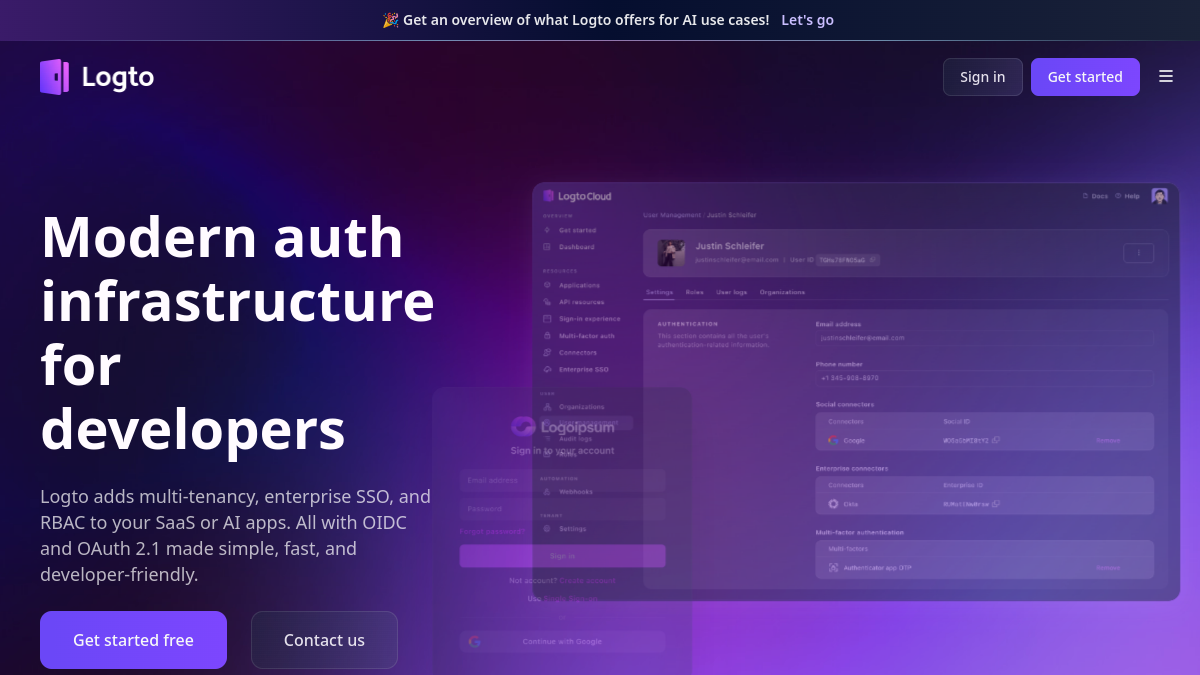
Railway is the managed Qovery alternative. It deploys apps, databases and background services from a slick UI or Git, handling the infrastructure, scaling and networking for you with usage-based pricing. For a developer who likes Qovery's deploy experience but would rather not connect and manage their own cloud account, Railway offers a fully-managed route. You trade some control for convenience. But for an easy, managed deploy experience, Railway is a standout Qovery alternative. See our <a href="/alternatives/railway-alternatives">Railway alternatives</a> too.
Render
- Pricing
- 8.0/10
- Functionality
- 9.0/10
- Ease of use
- 9.0/10
- Support
- 8.0/10
What I like
A managed cloud for web services, workers, databases and cron.
Best for
Teams wanting a managed Heroku-style host
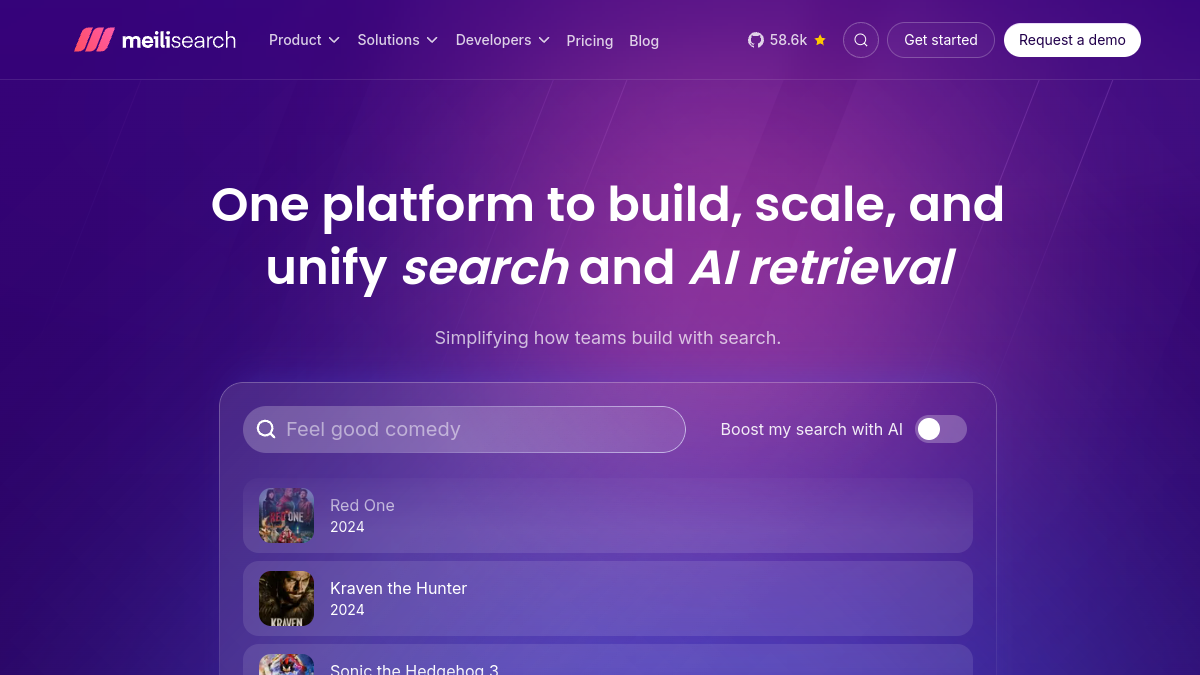
Render is the managed-cloud Qovery alternative. It hosts web services, static sites, background workers, cron jobs and managed Postgres with autoscaling and easy Git deploys, on a free tier for small services. For a team that likes Qovery's app platform but wants a fully-managed host rather than deploying into their own cloud, Render is a strong, developer-friendly choice. It's managed rather than your own account. But for a managed Heroku-style host, Render is a strong Qovery alternative. See our <a href="/alternatives/render-alternatives">Render alternatives</a> too.
Vercel
- Pricing
- 7.0/10
- Functionality
- 9.0/10
- Ease of use
- 10.0/10
- Support
- 8.0/10
What I like
The best experience for deploying frontend and full-stack apps.
Best for
Frontend and Next.js teams
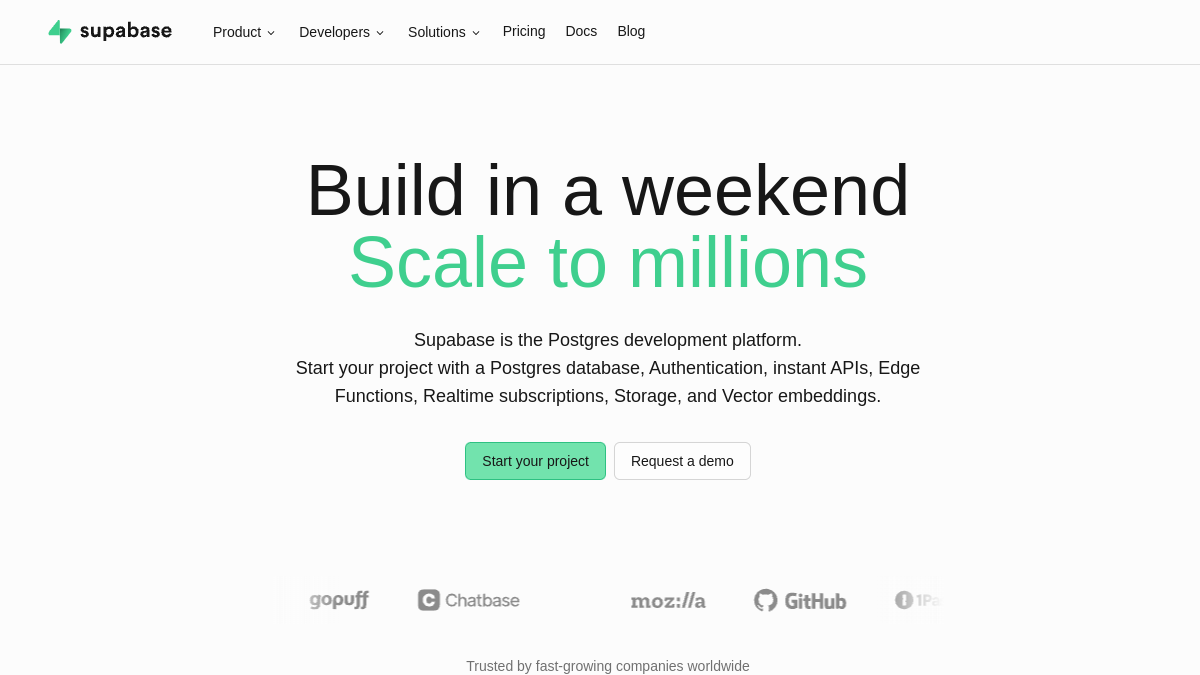
Vercel is the frontend-deploy Qovery alternative. It's the home of Next.js and a polished platform for deploying frontend and full-stack apps with instant Git deploys, previews, edge functions and a global CDN, on a generous free tier. For a developer who likes Qovery but mainly ships web frontends and wants the smoothest deploy experience, Vercel is hard to beat. It's less suited to running arbitrary backends in your own cloud. But for frontend and full-stack deploys, Vercel is a strong Qovery alternative. See our <a href="/alternatives/vercel-alternatives">Vercel alternatives</a> too.
Heroku
- Pricing
- 6.0/10
- Functionality
- 8.0/10
- Ease of use
- 9.0/10
- Support
- 8.0/10
What I like
The original managed PaaS with a huge add-on ecosystem.
Best for
Teams wanting a proven, mature managed PaaS
Heroku is the original managed PaaS and a classic Qovery alternative. It popularized git-push deploys, with dynos, managed add-ons and a mature ecosystem many teams still trust. For a team that likes Qovery's simplicity but wants a long-proven managed platform rather than wiring up their own cloud, Heroku remains dependable. It dropped its free tier and can get pricey at scale. But for a mature, managed PaaS, Heroku is a capable Qovery alternative. See our <a href="/alternatives/heroku-alternatives">Heroku alternatives</a> too.
Fly.io
- Pricing
- 8.0/10
- Functionality
- 9.0/10
- Ease of use
- 7.0/10
- Support
- 8.0/10
What I like
Run apps and databases close to users across global regions.
Best for
Developers wanting globally-distributed apps
Fly.io is the globally-distributed Qovery alternative. It runs your apps and databases as lightweight VMs close to users in many regions, with a CLI-driven workflow, good for low-latency and edge-style deployments. For a developer who likes Qovery's control but wants a managed way to run containers worldwide without maintaining their own cloud, Fly.io is a compelling pick. It's more CLI-centric than UI-driven. But for globally-distributed hosting, Fly.io is a capable Qovery alternative. See our <a href="/alternatives/fly-io-alternatives">Fly.io alternatives</a> too.
Coolify
- Pricing
- 10.0/10
- Functionality
- 8.0/10
- Ease of use
- 8.0/10
- Support
- 7.0/10
What I like
An open-source, self-hostable PaaS you run on your own servers.
Best for
Developers wanting a free, self-hosted platform
Coolify is the open-source Qovery alternative. It's a free, self-hostable Heroku-style platform that deploys apps, databases and services on your own servers with a friendly UI. For a developer who likes Qovery's own-your-infrastructure idea but wants a fully open-source platform they run themselves at no licence cost, Coolify is the natural pick. You manage the host and updates yourself. But for a free, self-hosted PaaS, Coolify is a solid Qovery alternative. See our <a href="/alternatives/coolify-alternatives">Coolify alternatives</a> too.
The verdict
For a managed experience, Railway leads; Render is the broader managed cloud and Vercel the best for frontend deploys. Heroku is the proven managed PaaS, Fly.io runs apps close to users worldwide, and Coolify is the free, self-hosted option. Match it to whether you want managed convenience, frontend focus, maturity, global reach or self-hosting.
Whatever you shortlist, run your real work through it for a week before committing — the right tool is the one that quietly disappears and lets you get back to it. And if you build software like this yourself, you can list it on Tolodora free.
Frequently asked questions
What's the best Qovery alternative for a managed host?
Railway and Render are the easiest fully-managed hosts (deploy apps, databases and services without wiring up your own cloud), and Heroku is the proven classic. For a Qovery-like feel managed, Railway; for a broader managed cloud, Render.
Which is best for frontend apps?
Vercel is the smoothest for frontend and full-stack web apps (especially Next.js), with instant deploys and previews on a generous free tier. For shipping web frontends, Vercel is the standout.
Which alternative is self-hostable?
Coolify is the open-source, self-hostable PaaS, running apps and databases on your own servers for free. If you like owning your infrastructure, Coolify is the natural Qovery alternative.
Which is cheapest?
Coolify is free to self-host, Render has a free tier, and Railway, Heroku and Fly.io are usage-based and cheap for small apps. For free self-hosting, Coolify; for a managed free tier, Render.
Why do developers switch from Qovery?
Usually wanting a fully-managed host (Railway, Render, Heroku), the best frontend deploys (Vercel), global distribution (Fly.io), or an open-source self-hosted platform (Coolify). Qovery deploys into your own cloud; the best alternative depends on how much infrastructure you want to manage.
Sources & further reading
Keep exploring
Building one of these alternatives?
List your tool on Tolodora and get discovered by buyers comparing options.
Launch Your Product